
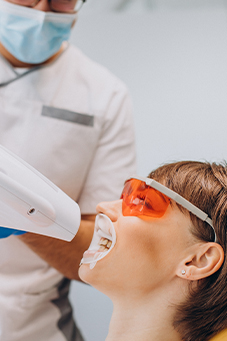
Dental Bleaching
Dental bleaching is the process of bleaching the teeth to their previous tone by removing the color changes that occur in the structure of the teeth for various reasons. The bleaching method is a teeth whitening method applied by a dentist in a clinical setting. Today, it stands out as a reliable teeth whitening method with an increasing demand and success rate with the developing technologies.
Why Do Our Teeth Turn Yellow?
The natural color of the teeth may not always be white. Some people have more yellowish teeth genetically, and some people may observe discoloration and staining in their teeth over the years, even if they have naturally white teeth. Over the years, yellowing occurs on the surface of the tooth enamel as a result of drinking caffeine-containing beverages such as tea, coffee, or sugary and acidic beverages such as cola and soda, and consuming tobacco products. It is possible to eliminate these yellowing and color changes with a simple dental bleaching process.
How Does Dental Bleaching Work?
Dental bleaching is performed by applying the World Health Organization approved gels that provide whitening to the tooth enamel. Although this process is mostly performed in clinics, it is also possible to do it at home with the gel and materials provided by the dentist. In the home dental bleaching, the dentist takes special measurements for each patient and a thin transparent plaque that fits perfectly on the teeth is prepared. Before going to bed at night, the patient applies tooth whitening gel to this plaque and adheres the plaque to his/her teeth. Most people prefer to perform bleaching at night while asleep. In this method, the treatment period lasts for one to two weeks.
Dental bleaching performed in the clinic is applied under the direct supervision of the dentist. After all soft tissues are isolated with a light-curing barrier, the whitening gel is applied to the teeth and activated by light. The bleaching process performed in clinics is completed in an hour. Depending on the tooth color, the treatment may need to be done several times. Dental bleaching is a painless and simple procedure. The most important thing to pay attention to after the procedure is to avoid foods and beverages containing colorants and tobacco products, especially for the first few days.
Is Dental Bleaching Permanent?
It is required to avoid tea, coffee, cigarettes, red wine, all kinds of acidic drinks, and colored foods for at least 48 hours after bleaching. Afterward, you should minimize the consumption of such foods to protect your teeth, and use whitening kinds of toothpaste and mouthwashes. The permanence of dental bleaching is higher in patients who take good care of their teeth. If the patient wishes, s/he can repeat the procedure once a year.